
Towards Regenerative Gardening
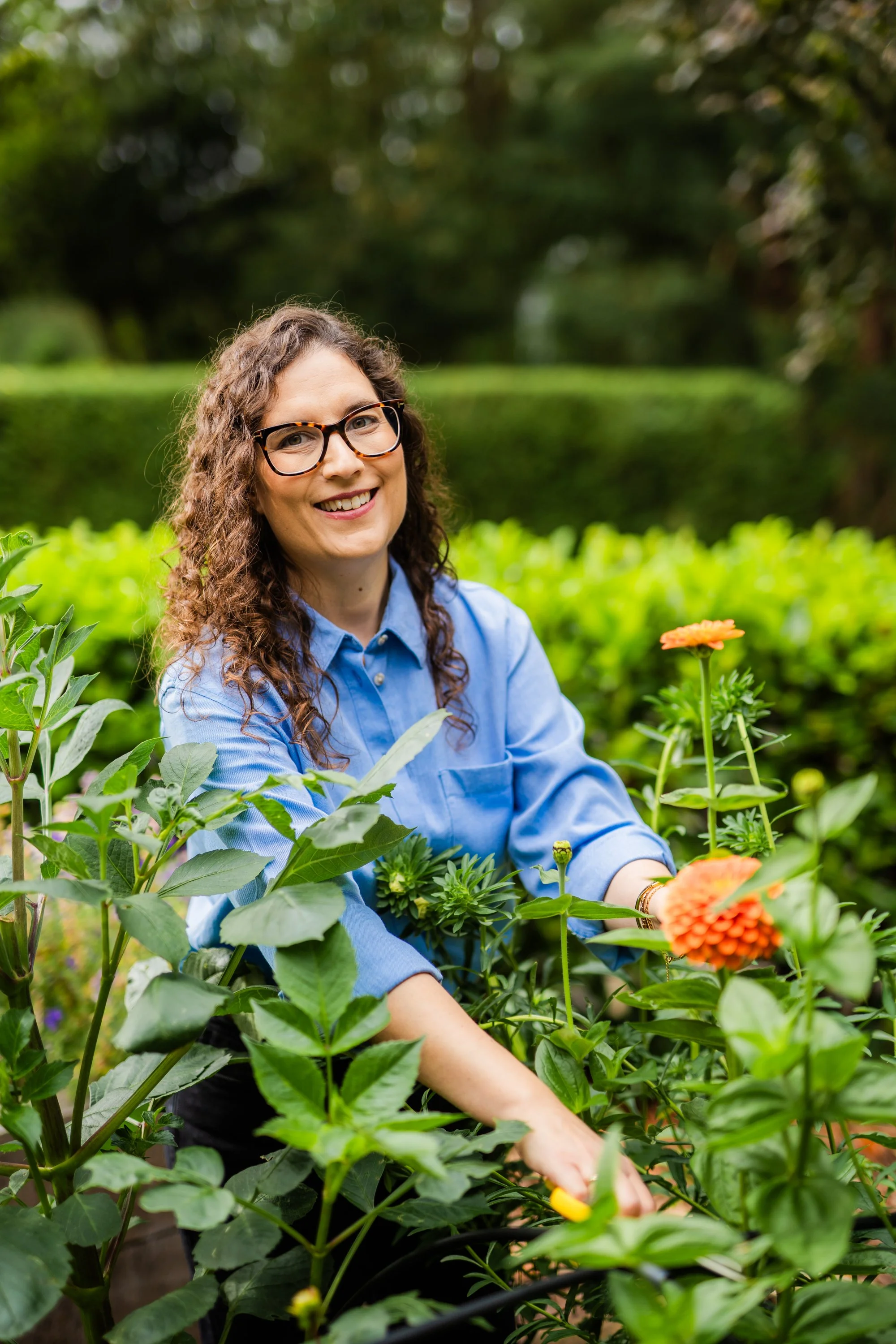
“A regenerative garden isn’t just a place, or a method, to grow plants. It includes and goes beyond sustainability, focusing on making healthier land and people, and particularly healthier soil, which feeds all other ecosystems.”
Regenerative Gardening as a living practice
Regenerative gardening is, at its heart, a way of tending the land that restores rather than extracts. It asks us to shift to seeing gardens as a multitude of ecosystems that we participate in, held together by soil, microbes, insects, weather, plants, and the people who care for it.
Regenerative gardening focuses on building long-term soil health, supporting biodiversity, and working with natural cycles rather than against them. It borrows from regenerative agriculture thinkers like Charles Massy and educators such as Didi Pershouse, who describe regeneration not as a set of strict rules, but guided by principles and brought to life via a mindset that practices observation, reciprocity, and respect for the living world.
Most importantly, regenerative gardening is an unfolding practice; dynamic, responsive, and deeply personal to each place and each gardener.
In my own garden, regenerative gardening is something I am growing into slowly, season by season. It is an incomplete journey, always evolving and teaching me something new about how to work in harmony with nature. I use the word ‘towards’ regenerative gardening in order to remind myself that I am not looking to reach an end goal and that what might be correct for me and my garden might not work for the next person caring for their land, but it is a recognition that we can all work towards something more healing, more restorative and more in tune with wherever we are putting our hands in the soil.
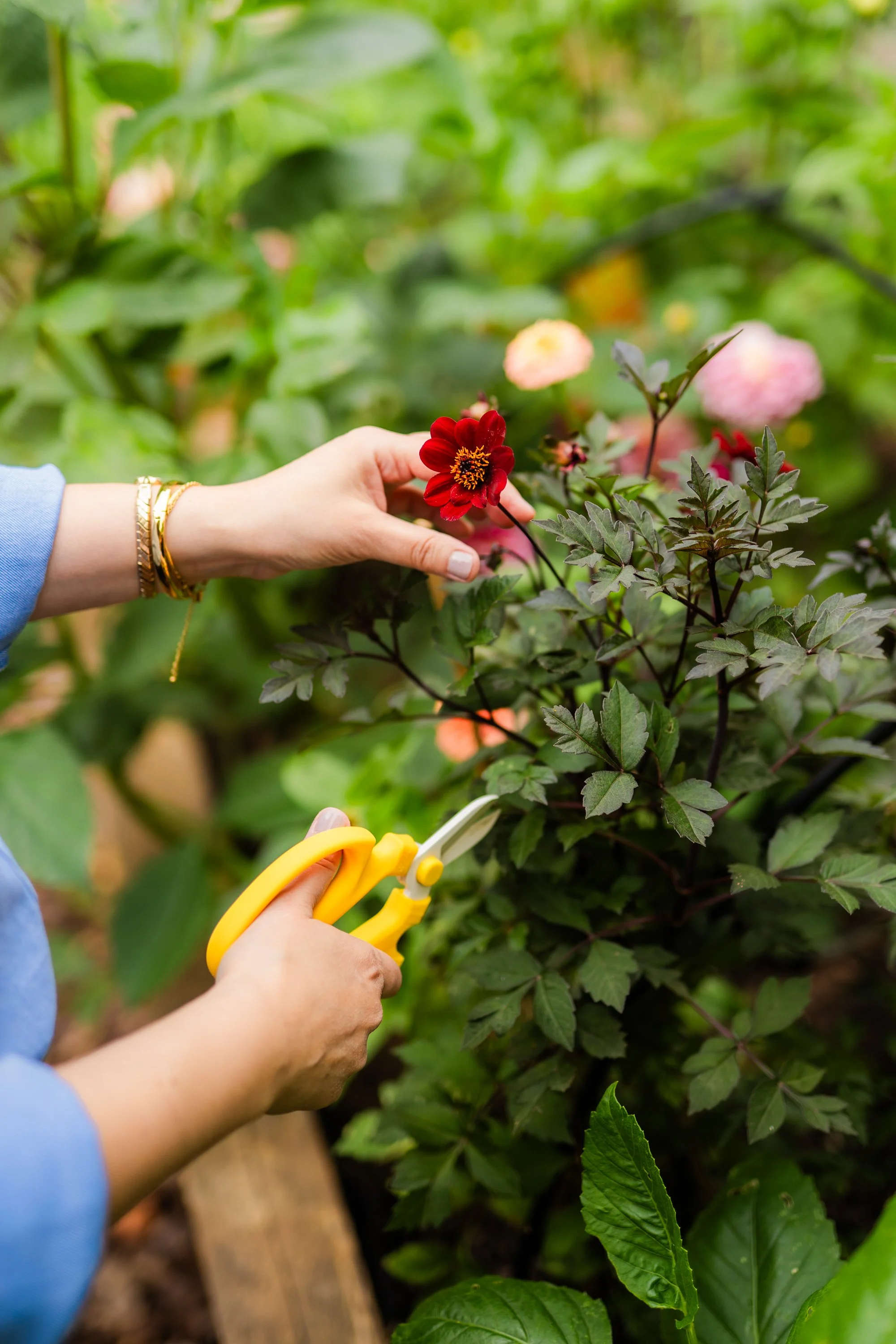
Regeneration is not a set of rules, it’s a relationship.
What Does It Mean to Regenerate?
Regenerate (verb)
to bring to life again; to restore, renew, and return something to a state of greater vitality.
Sustainable (adjective)
able to be used or maintained without causing depletion or harm.
These two words often appear side by side in modern conversations about environmental care, yet they hold two different meanings.
Sustainability asks us to maintain what is already there, to avoid further damage.
Regeneration asks us to heal, restore, and renew what has been harmed.
In the context of our gardens, regeneration means tending to whatever creates life:
the soil, the microscopic ecosystems beneath our feet, the pollinators and wildlife above, and the human community that stewards it all. It asks us to participate in cycles that create more life than they take.
It’s an invitation not just to avoid doing harm, but to restore abundance, both in the land and in the people who nurture it.
How I Apply Regenerative Principles in My Garden
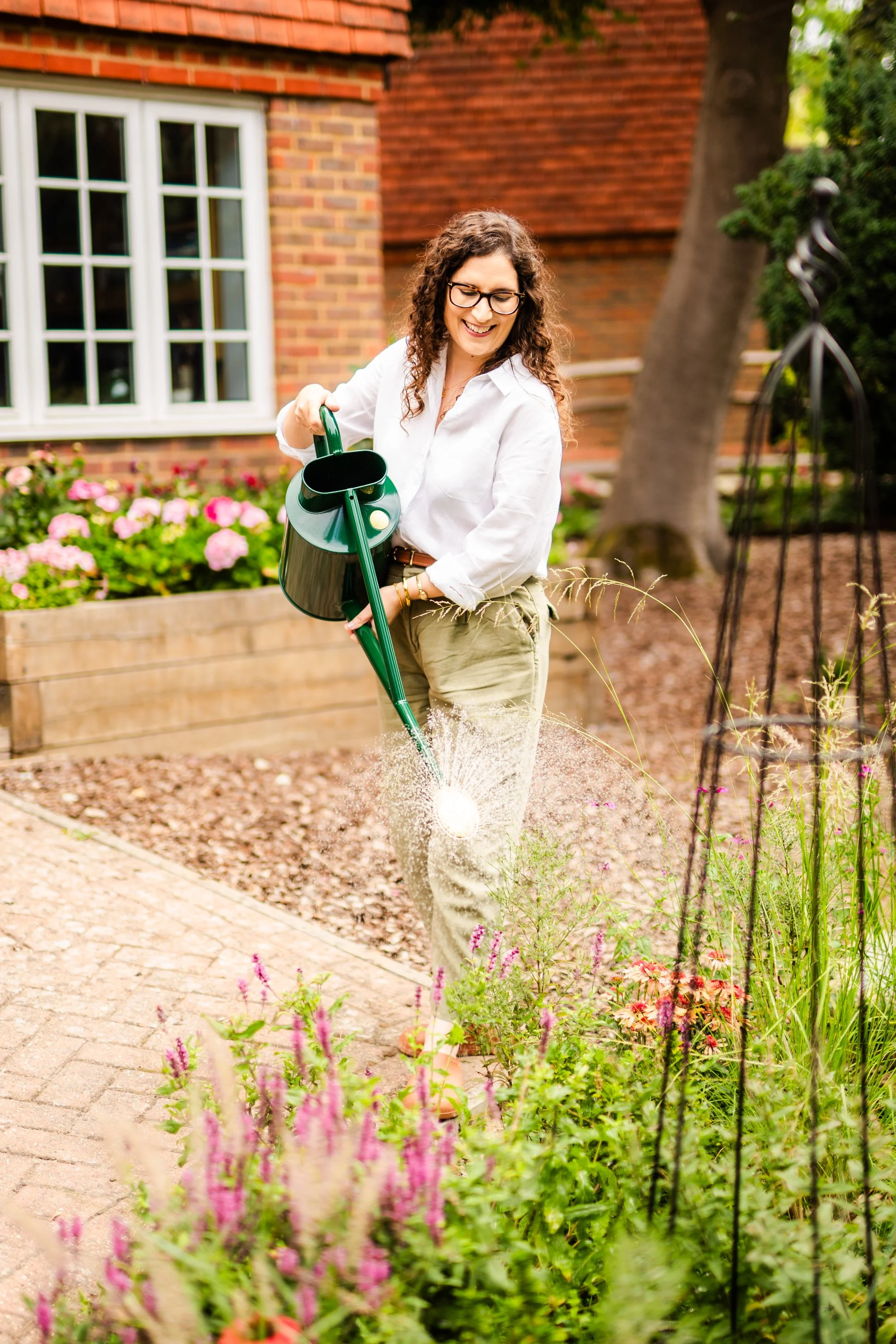
My own garden is roughly a 1/4 of an acre in total but is divided up into multiple areas surrounding my house. It is a patchwork of experiments, discoveries, and trial and error, all wrapped up in the pursuit of wanting to improve what was here before I was. The way I grow flowers here is guided by regenerative principles in the context of an ordinary British garden and the seasons that create it.
Here’s what that looks like in practice for me:
1. Growing in a Living Soil
Healthy soil is the foundation of everything. I avoid disturbing the soil as much as possible, by laying compost on the surface of the soil rather than digging it in, leaving roots in the ground after harvesting so that as they decompose, they feed microbes, improve soil structure, and build fertility from below. Minimising soil disturbance also means minimising disturbance to the microbial life within the soil. Growing a healthy soil impacts not just the soil ecosystem but the water cycle, carbon cycle, the local micro climate and therefore ultimately wider climate regulation.
2. Feeding the Soil Naturally
Instead of synthetic fertilisers, I use homemade or organic compost. Each autumn and winter, I mulch the beds with a thick layer, allowing the soil to rest, rebuild nutrients, and prepare itself for spring. Where I don’t compost in areas left bare between harvests, I plant gentle cover crops to protect soil life, capture carbon via photosynthesis and to do the jobs of either fixing or lifting nitrogen.
3. Supporting and maximising diversity and biodiversity
I do not use fungicides, pesticides, and herbicides. The word ‘cide’ means to kill something, and doesn’t align with the regenerative principles of supporting and growing new life. I also believe in supporting the relationships that already exist and that nature knows best how to manage pests and diseases. Ladybirds, beetles, solitary bees, worms, fungi, and microbes do far more for the garden than I ever could. Even though my art work focuses on traditional cut flowers which are often largely annuals, I plant a wide variety of annuals, perennials, shrubs and trees to support a multitude of ecosystems.
4. Growing organically as much as possible
Where possible, I choose organic bulbs and seeds. Since I began my cut flower journey, I have discovered that organic bulbs in particular and organic seeds can be difficult to source in the UK, especially if you are looking for variety. The term ‘organic’ is also dependent for growers on them meeting certain specifications, and so there are also many growers out there who are eco-friendly but not certified organic. This is a nuanced space and takes time to get into the detail of it. So this is an ongoing transition rather than an absolute rule. I also collect seed from my own garden each year (as well as share it with my neighbours); an act of circularity that feels very satisfying and hopeful.
5. Seeing Gardening as Relationship
Regeneration is not just ecological — it is relational. My garden is shaped by the neighbours who share seedlings over the fence, the birds who drop seeds in unexpected places, the changing weather patterns, and the bees who return year after year. I am part of that story, but not the centre of it.
A Philosophy of Ongoing Care
Regenerative gardening is not a checklist or a strict label. It is a way of paying attention to the soil beneath your feet, to the rhythms of the seasons and to the small shifts that signal health or stress. Every garden will express these principles differently. Every gardener will experiment, fail, adapt, and learn.
My approach is imperfect, evolving, and entirely context-specific, shaped by the size of my garden, the climate I live in, and the story I want my work to tell.
What matters most is the intention:
to grow in a way that gives back, so the land becomes more alive over time.
This is the foundation of my art, my garden, and the values that connect them.